Mysteries that have been solved — or mostly solved. Every case on this shelf once looked inexplicable, and every one now has an answer supported by evidence: a natural mechanism, a documented hoax, a misread photograph, or a piece of technology understood too late.
A case earns its place here only when the explanation fits the facts better than the mystery did, and when the evidence can be checked: the fairy circles traced to termites and self-organisation, the Face on Mars resolved into shadow and pareidolia, the sailing stones filmed moving on thin ice. Where part of a case still resists explanation, we say so — “explained” is a verdict about the core claim, not a claim that every detail is settled.
This shelf matters because it shows the method working. The same habits that keep the unsolved cases honest — primary sources first, ordinary explanations before extraordinary ones, and a clear line between what is documented and what is merely claimed — are what let a mystery close. Read these as proof that “unexplained” is a status, not a permanent condition.
About 5min readThousands of bare rings interrupt the Namib Desert’s grassland in near-perfect circles, and for decades termites took the blame. The strongest recent field evidence points instead to the grasses themselves competing for scarce water — a natural pattern, not a mystery, and the case is now counted as explained.
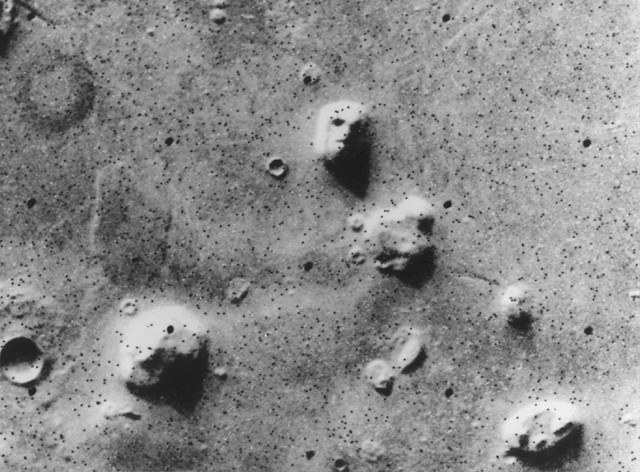
About 5min readIn 1976 a Viking orbiter photographed a Martian mesa that looked uncannily like a human face, and the image launched a thousand theories. Sharper cameras returned over the next thirty years and the face was gone — a trick of light and shadow, and the verdict is: explained.
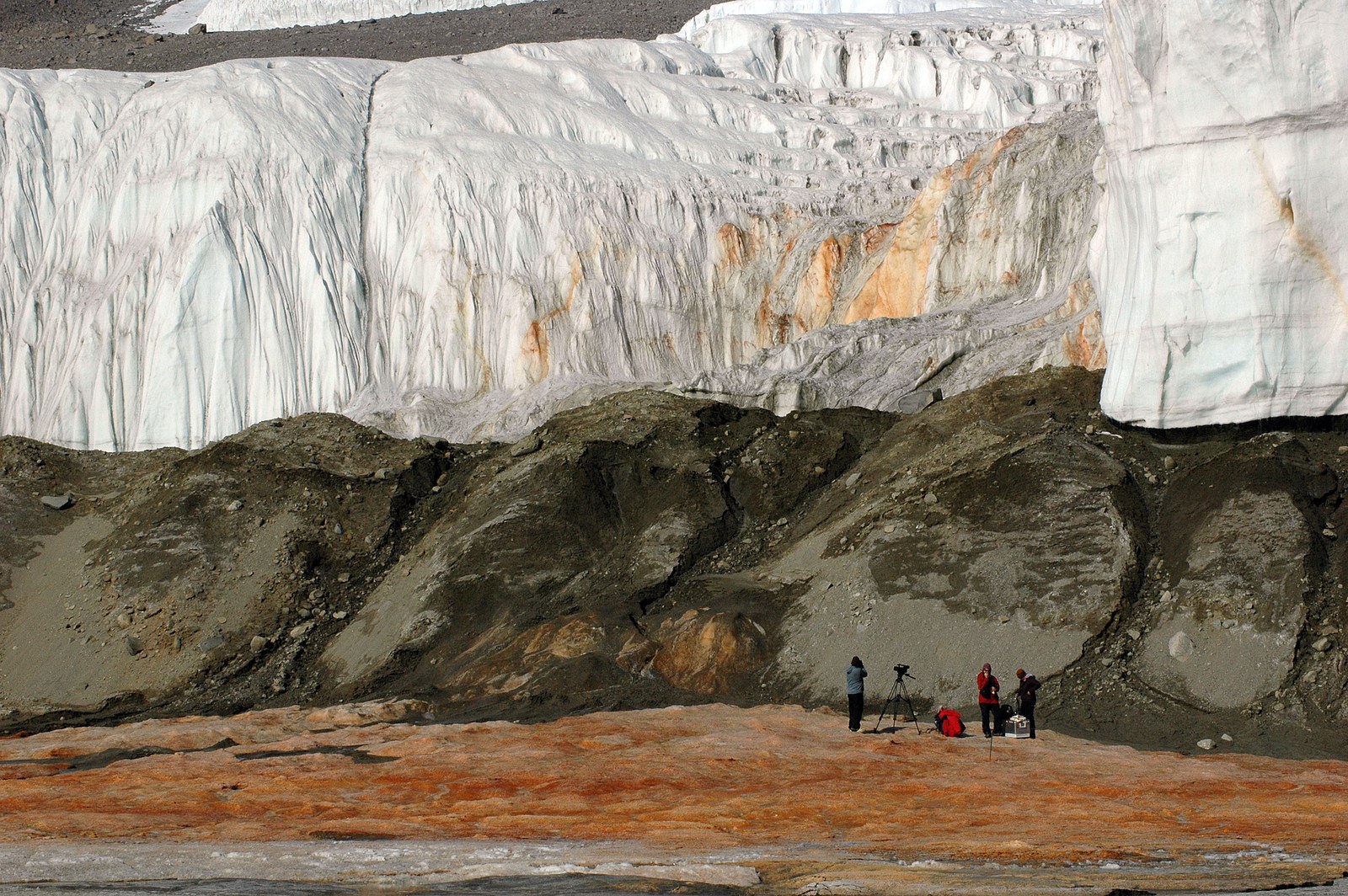
About 5min readA red waterfall pours from an Antarctic glacier, and it looks exactly like blood. It is rust — ancient iron-rich brine, sealed under the ice for up to two million years — and the mystery is settled: explained.
About 4min readFound in a loose rock nodule beside a Texas creek in 1936, the London Hammer was promoted as a tool millions of years old. It was never documented inside ancient rock — and the hammer itself looks exactly like a 19th-century miner’s tool.
About 4min readThousands of engraved stones from Peru seemed to show humans hunting dinosaurs and performing brain surgery. The men who sold them eventually admitted they carved the stones themselves, copying dinosaurs from comic books.
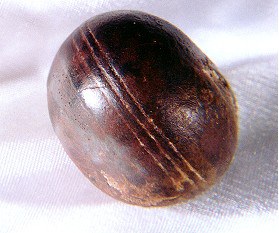
About 4min readSmall grooved spheres from 3-billion-year-old rock near Ottosdal, South Africa, were once hailed as proof of ancient manufacture. Geologists who cut them open found something far older and far more ordinary: natural mineral concretions.
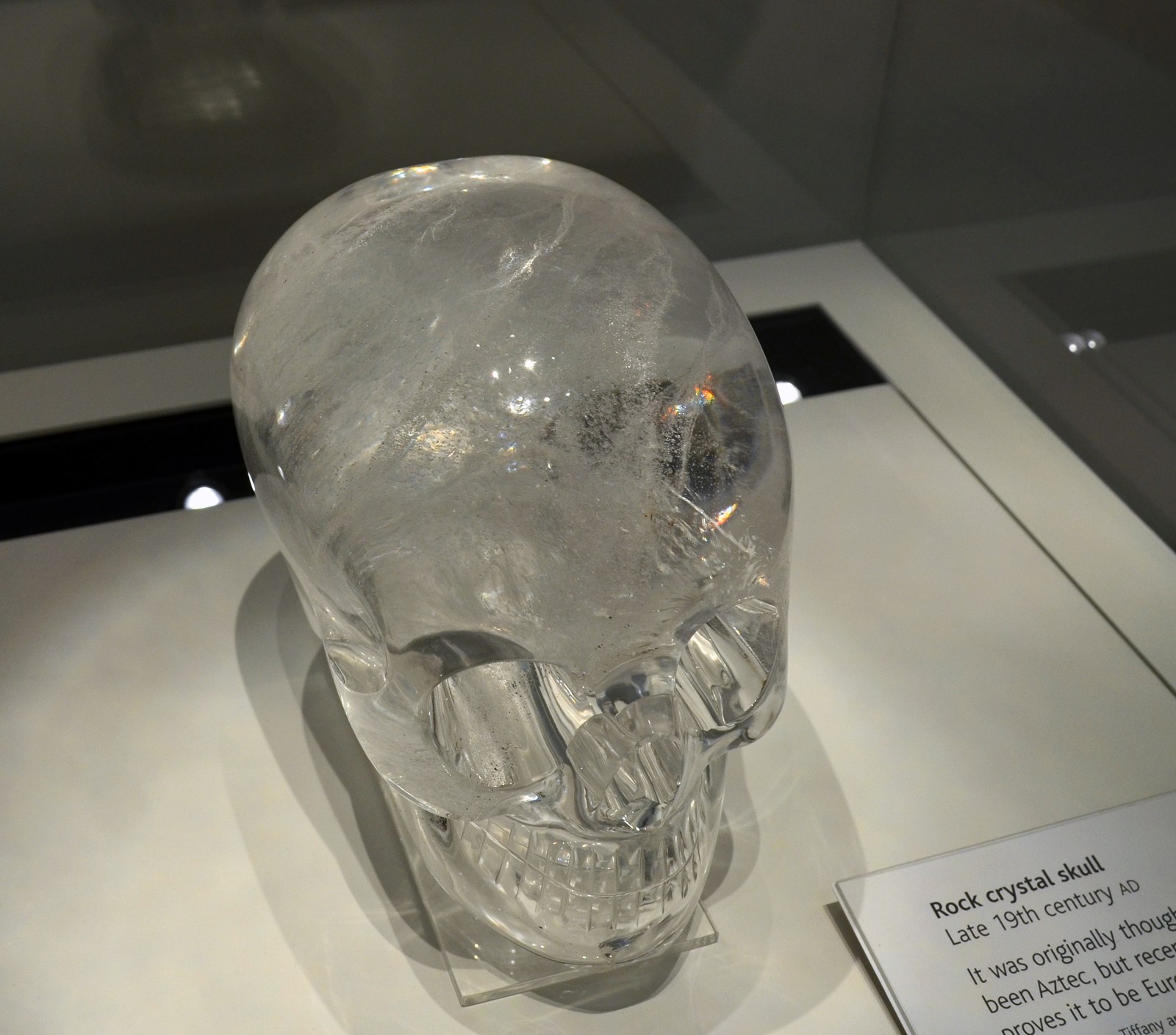
About 4min readLife-size skulls carved from clear quartz were sold as ancient Aztec and Maya relics — but electron microscopy, archival records, and the quartz itself tell a different story: they were made in 19th-century Europe.
About 4min readIn the summer of 2001, rain fell red over Kerala in southern India, staining clothes pink and sparking claims of life from space. The official investigation found a far more ordinary culprit: spores of a local orange alga.
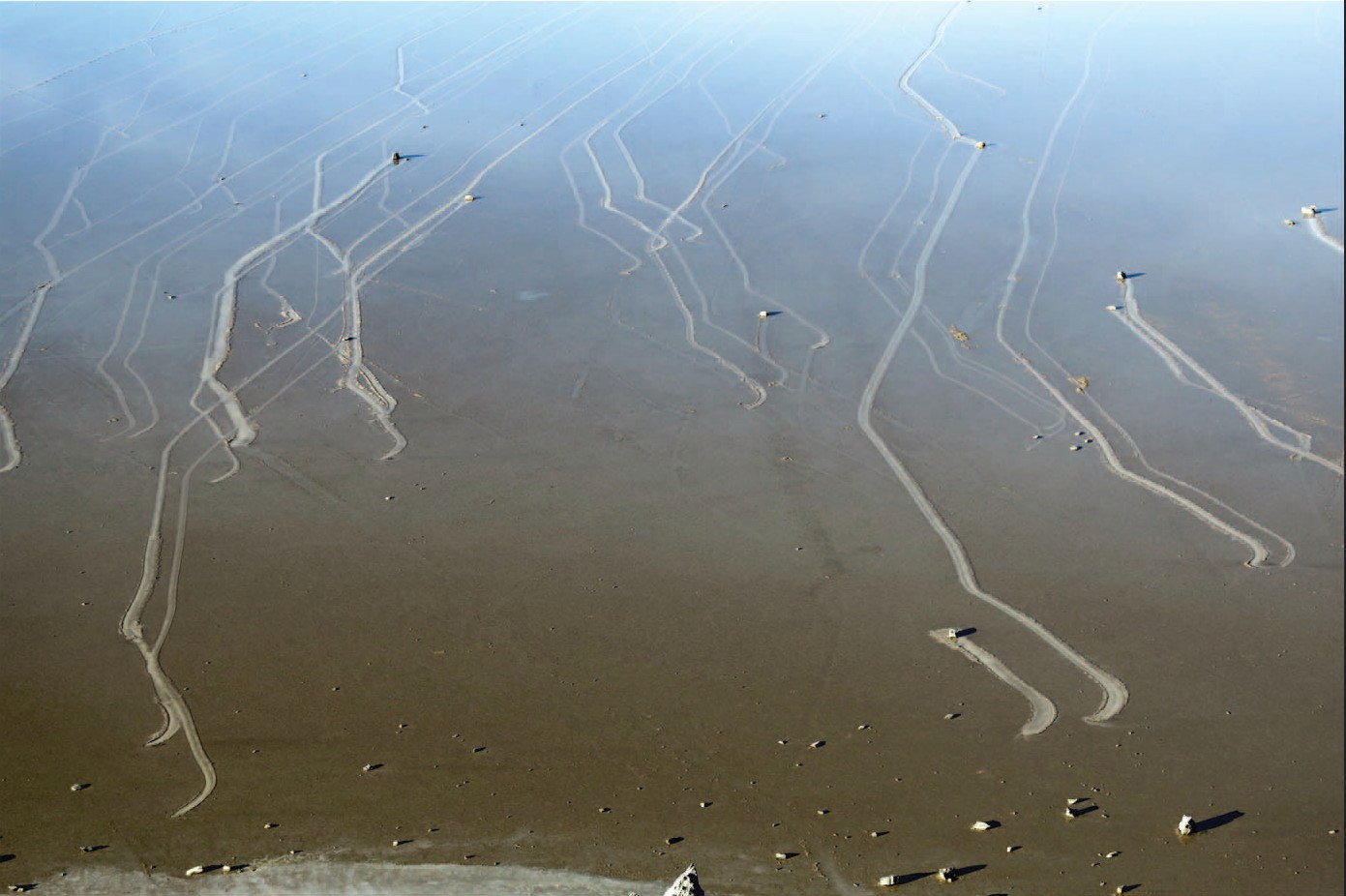
About 4min readFor decades, rocks at Racetrack Playa in Death Valley moved across the dry lake bed leaving long trails, and no one had ever seen them move. In the winter of 2013–14, scientists finally watched it happen — and the answer was thin ice and a light wind.
About 4min readOn 28 October 1943, the destroyer escort USS Eldridge supposedly vanished from Philadelphia, teleported to Norfolk, and returned — with some of her crew fused into the hull. The story is one of America’s most persistent legends. The Navy’s logs say the ship was nowhere near Philadelphia that day.
Mysteries is an archive of phenomena that still lack a settled explanation. Every file is checked against the sources we cite, and our verdicts are updated when new research appears.